

You see the numbers and the opportunity feels obvious. Tens of thousands of Americans turn 65 every day. Most want to stay in their own homes as long as possible. Families are stretched. Professional caregivers are in short supply. That gap is creating real demand for reliable in-home senior care.
The market is expanding steadily. Industry forecasts show continued growth through the end of the decade as the 75-and-older population climbs and more families seek help with daily living, companionship, and light personal care. For someone willing to navigate licensing, hire carefully, and build trust in a local community, this remains one of the more accessible service businesses with strong underlying demographics.
Here is a practical look at why the timing works in 2026 and the concrete steps required to launch.
The Demographic Tailwinds Are Real and Persistent
The share of the U.S. population aged 65 and older has risen steadily and will keep rising. Projections show tens of millions more people in the older age brackets over the next decade. The 80-plus group is growing especially fast. At the same time, fewer adult children live nearby or have the flexibility to provide full-time care.
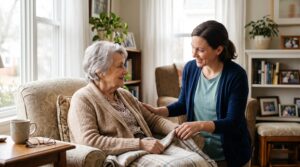
Most older adults prefer to age in place. Surveys consistently show strong majorities want to remain in their current homes rather than move into institutional settings. That preference drives demand for non-medical support: help with meals, mobility, medication reminders, light housekeeping, transportation, and companionship.
Hospital systems and insurers also favor home-based options when they reduce readmissions and overall cost. The combination of consumer preference and payer interest creates a structural need that is not cyclical.
Non-Medical Care Offers a Lower Barrier to Entry
You do not need to start with skilled nursing or Medicare certification. Many successful agencies begin with non-medical or personal care services. These focus on activities of daily living and companionship rather than clinical procedures.
Startup costs for a lean non-medical agency can stay relatively contained compared with a full home health agency. Typical ranges for a basic operation fall between the mid-five figures and low six figures depending on state requirements, insurance, and whether you begin from a home office. Some operators launch even leaner by focusing first on private-pay clients in a single market.
The trade-off is clear. Non-medical models avoid the heavier regulatory and capital burden of Medicare certification while still addressing a large and growing need. Many owners later expand into higher-acuity services once the business is stable.
Licensing and Regulatory Reality Check
Requirements vary sharply by state. Some states regulate non-medical home care agencies and require a license, background checks, training documentation, and a policy manual before you can serve clients. Others have lighter or no specific home care licensing for pure companion and homemaker services, though you still need standard business registration, insurance, and employment compliance.
Before spending money, identify your state’s rules through the department of health or equivalent agency. Confirm whether personal care triggers licensing even if you avoid skilled nursing. Budget time for the application process. In regulated states it can take several months.
Insurance is non-negotiable. General liability, professional liability, and workers’ compensation (once you have employees) form the basic package. Bonding is often expected by referral sources and families.
Building the Core Operations
Caregivers are the product. Recruiting and retaining reliable people is the single biggest operational challenge. Start with clear job descriptions, competitive pay for your market, consistent scheduling, and basic training that exceeds minimum requirements. Background checks and reference verification are essential for trust.
Create simple but professional systems for client intake, care plans, scheduling, and incident reporting. Even a small agency needs documented processes. Families and referral partners notice when communication is consistent and records are clean.
Pricing should reflect local wages, your overhead, and the value of reliability. Private-pay rates for non-medical care commonly fall in the $25–$40+ per hour range depending on location and services, though exact figures vary widely. Build in margin for supervision, training, insurance, and downtime.
Marketing and Getting Your First Clients
Most early clients come through relationships. Introduce yourself to hospital discharge planners, senior centers, elder law attorneys, geriatric care managers, and local physicians. Offer clear information about what you do and do not provide. Reliability and responsiveness win referrals faster than polished advertising.
A simple website with service descriptions, service area, and contact information is enough at the start. Google Business Profile and basic local SEO help families searching for “in-home senior care near me.” Satisfied families become the strongest marketing channel once you deliver consistent service.
Focus on one geographic area first. Spreading thin across a large region makes quality control and scheduling harder in the early months.
Common Pitfalls and How to Avoid Them
Underestimating caregiver turnover is the most frequent mistake. Build recruiting into your weekly routine rather than treating it as a one-time task. Cash flow can be lumpy while you wait for private-pay invoices or insurance reimbursement if you later add those payers. Maintain a cash reserve.
Overpromising services you are not licensed or staffed to deliver creates risk. Stay within your defined scope until you have the systems and people to expand. Ignoring state-specific training or documentation requirements can delay licensing or create compliance problems later.
A Realistic Path Forward
Start by confirming your state’s licensing status and insurance requirements. Form the business entity, obtain an EIN, and secure the necessary coverage. Write basic policies even if your state does not yet require a full manual. Begin recruiting a small pool of caregivers and building referral contacts while the paperwork is in process.
The demand is not temporary. The aging of the population will continue for years. Families will keep looking for trustworthy help so their parents or spouses can remain at home. Operators who treat the work as a serious service business—consistent quality, clear communication, and solid compliance—have a durable opportunity.
If you are ready to put in the operational work and prioritize the people side of the business, 2026 remains a strong time to enter the market. The need is already here. The question is whether you will build the systems to meet it reliably.
FAQ
1. How much does it cost to start a non-medical in-home senior care business?
Lean startups often range from the mid-five figures to around $80,000 depending on state licensing fees, insurance, and whether you begin from a home office. Medicare-certified agencies require substantially more capital.
2. Do I need a license?
It depends on your state and the services you offer. Many states require a home care agency license for personal care. A few have lighter rules for pure companion services. Always verify with your state health department.
3. Is the demand real or just temporary?
The demand is structural. The population aged 65 and older continues to grow, the preference for aging in place remains strong, and family caregiver capacity is limited. Market forecasts show continued expansion for years.
4. What is the biggest operational challenge?
Recruiting and retaining reliable caregivers. High turnover is common in the industry. Consistent hiring, competitive pay, good scheduling, and clear expectations are essential.
5. Can I start part-time or from home?
Many owners begin with a home office and a small number of clients while handling scheduling and oversight themselves. Scaling usually requires dedicated staff and systems, but a lean start is common.
Leave a Reply