
You know the feeling. You walk past another crowded café. The line snakes out the door. Prices keep climbing. The coffee is fine, but nothing special. Meanwhile, you keep thinking there has to be a smarter way to get into this business without signing a five-year lease and sinking six figures into build-out.
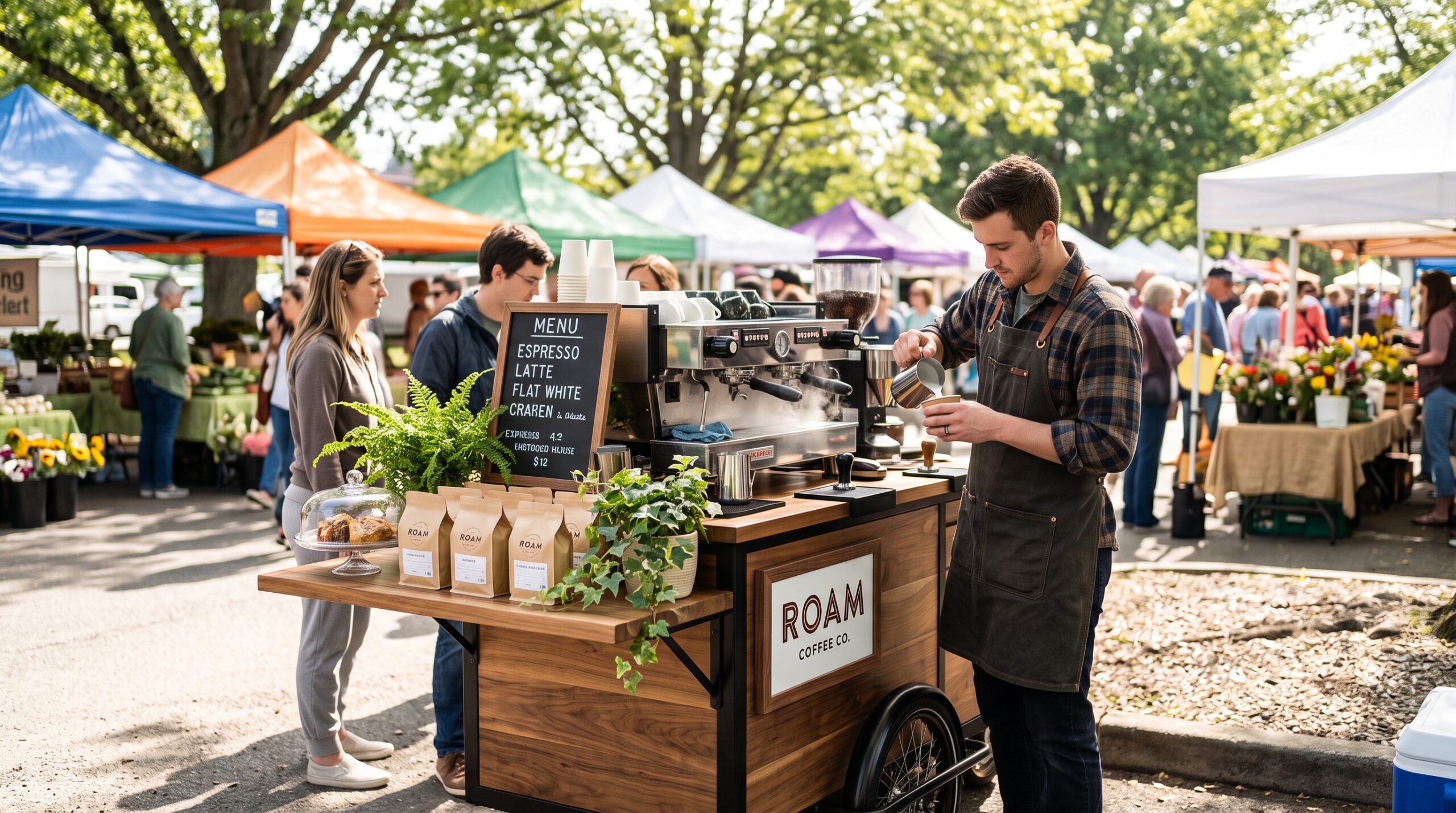
That frustration is exactly why a coffee cart business or micro roastery startup has become one of the smarter specialty coffee business ideas for 2026. People still want good coffee. They just want it faster, fresher, and closer to where they already are—at the farmers market, outside the office, at the wedding, or delivered in a bag that was roasted last week instead of last month.
A low-overhead food business 2026 model like a mobile coffee service or small-batch roasting operation lets you start lean, test demand quickly, and grow only when the numbers make sense. No massive rent. No full kitchen crew on day one. Just solid equipment, clean execution, and the willingness to show up where the people already gather.
If you love coffee and want a business that actually fits real life, this path deserves a hard look.
Why Small Coffee Operations Keep Winning Right Now
Specialty coffee demand is not slowing down. Consumers pay more for quality, origin stories, and drinks that feel made for them rather than pumped out of a chain. At the same time, traditional cafés face high rent, labor costs, and thin margins. That gap creates space for flexible operators.
Mobile setups thrive because they go where the traffic already exists. Corporate campuses, weekend markets, private events, and office parks all need reliable caffeine without the overhead of a full shop. A well-run cart can pull solid daily or event revenue while keeping fixed costs low.
Micro roasting works from the other direction. You control the green beans, the roast profile, and the story. Sell direct to customers online or at markets. Wholesale to local cafés and offices. The margin between green coffee and finished bags is attractive when you keep scale realistic.
I know a couple who started with a simple cart at Saturday markets. Within eighteen months they added a small 3kg roaster in a shared commercial space and began selling their own beans alongside the drinks. The cart paid the bills. The roasting built the brand. That combination is more common than most people realize.
Coffee Cart Business or Micro Roastery Startup: Choosing Your Entry Point
A pure mobile coffee service focuses on drinks. You invest in a cart or trailer, a solid espresso machine, a grinder, milk storage, and power. You serve lattes, americanos, cold brew, and maybe a few seasonal specials. Revenue comes from volume at events or consistent locations.
A micro roastery startup focuses on the beans. You buy a small commercial roaster (often 1–5kg or 3–10kg), source green coffee, develop profiles, package, and sell. You can stay wholesale-only or add direct-to-consumer bags and subscriptions.
Many operators blend both. Roast your own coffee and serve it from the cart. That vertical control improves margins and gives you a story competitors cannot easily copy. Start with the model that matches your skills and capital. Love dialing in espresso and talking to customers all day? Lean cart. Prefer process, tasting, and batch work? Lean roasting. Both can work as a low-overhead food business 2026 play.
What It Really Costs to Get Rolling
Realistic numbers matter more than hype. A functional coffee cart business often lands between $8,000 and $45,000 to launch. Lean setups with a solid used machine and basic cart can start under $15,000. A polished custom cart with commercial equipment and generator usually sits closer to $20,000–$30,000. Premium trailers push higher.
Break it down roughly: cart or trailer $3,000–$18,000, espresso machine $2,000–$8,000, grinder $800–$2,500, water system and refrigeration $500–$2,500, initial inventory and cups $800–$1,500, permits and insurance $700–$2,000, branding and working capital the rest.
A micro roastery startup typically requires more. A small commercial roaster runs $5,000–$20,000 used or new depending on capacity and features. Add ventilation or afterburner requirements in many jurisdictions, green coffee inventory, packaging, scales, and space. Many micro operations launch in the $20,000–$50,000 range when they keep the footprint small and use shared commercial kitchens at first. Full dedicated facilities climb quickly.
The advantage in both models is speed to revenue. You can be serving or selling within a few months instead of the year-plus many brick-and-mortar projects take.
Permits, Commissary, and the Rules You Cannot Skip
Health departments treat mobile food operations seriously. Expect a mobile food vendor or compact mobile food operation permit, food handler certification, business license, and often a commissary agreement. The commissary is a licensed commercial kitchen where you store the cart, clean equipment, and handle water and waste. Many places will not issue your permit without one.
Start the permit process early. Timelines vary widely by county. Some places move in weeks. Others take two or three months. Call your local health department before you buy equipment so you understand exact sink, water tank, and refrigeration requirements. Insurance is non-negotiable—general liability at minimum, often higher for events.
Roasting adds food manufacturing or processing rules in some areas. Check weights and measures if you sell packaged bags by weight. Fire codes matter for gas-fired roasters and ventilation. The operators who treat compliance as part of the business instead of an afterthought avoid expensive surprises.
Finding Spots, Events, and Steady Customers
Location and consistency separate the carts that struggle from the ones that stay booked. Farmers markets give you weekend volume and brand exposure. Corporate offices and campuses offer weekday recurring spots if you can lock in a contract. Private events—weddings, parties, company gatherings—often pay higher minimums and look great on social proof.
Reach out directly. Many property managers and event planners prefer reliable vendors they already know. Build a simple one-page site or Instagram with clear pricing, menu, and photos of real setups. Collect reviews from every event. Word of mouth in the local event and office world moves fast.
For a micro roastery, start local. Farmers markets, specialty food stores, and café wholesale accounts build volume. Online sales and subscriptions add higher-margin direct revenue. Offer free samples or cupping sessions early. People buy stories and relationships as much as they buy caffeine.
Quality, Menu, and the Details That Keep People Coming Back
Good coffee is table stakes. Consistency is what builds a following. Dial in your espresso recipes and stick to them. Source beans you can stand behind—whether you roast them yourself or buy from a trusted local or regional roaster at first. Offer oat, almond, and dairy options without making the menu chaotic.
Keep the menu focused. A few excellent espresso drinks, a solid batch brew or cold brew, and one or two seasonal specials outperform a long list of mediocre options. Price for the market but protect margin. Cost of goods on a well-run drink often sits around $1.60–$2.20. Selling in the $5–$8 range leaves healthy room after cups, lids, and labor.
Presentation matters more than many first-time operators expect. Clean cart, clear signage, friendly service, and drinks that look as good as they taste create the photos and recommendations that fill the next booking.
The Numbers That Actually Matter and How to Grow
Track cost per drink, average ticket, and true net after everything—fuel, permits, insurance, equipment wear, and your time. A cart doing consistent events or a solid daily location can generate meaningful revenue with far lower fixed costs than a shop. Many operators report strong gross margins in the 50–65% range on drinks when they control waste and buy smart.
Roasting margins depend on channel. Direct-to-consumer bags usually deliver the best. Wholesale is lower margin but steadier volume. The operators who mix both tend to sleep better.
Growth options are flexible. Add a second cart or trailer. Expand roasting capacity. Launch subscriptions. Move into wholesale for offices or other cafés. Some eventually open a small fixed location once the brand and cash flow are proven. Others stay happily mobile forever. Both are valid.
The risks are real. Weather affects outdoor spots. Permit changes happen. Equipment breaks. Competition exists. The ones who last treat it like a real business—systems for ordering, cleaning, booking, and cash flow—rather than a weekend hobby that somehow became full-time.
A coffee cart business or micro roastery startup will not make you rich overnight. It can, however, create a flexible, profitable specialty coffee business idea that fits around real life while serving something people genuinely want every day.
If the idea has been sitting in the back of your mind, take the next practical step this week. Call your local health department and ask about mobile coffee requirements. Price a couple of used commercial machines and carts. Visit three markets or events and watch how the existing vendors operate. The demand is already there. The question is whether you will be the one pouring the next cup.
FAQ
How much does it cost to start a coffee cart business?
Most solid setups fall between $8,000 and $45,000. Lean versions with good used equipment can start lower. A professional custom cart with commercial gear and buffer capital usually lands in the $15,000–$30,000 range.
Is a mobile coffee service profitable?
Yes, when you control costs and secure consistent locations or events. Gross margins on drinks often reach 50–65%. Operators with regular spots or strong event calendars can generate solid full-time or high part-time income after expenses.
What permits do I need for a coffee cart?
Typically a business license, mobile food vendor or health permit, food handler certification, and often a commissary kitchen agreement. Requirements vary by county, so contact your local health department early.
Can I start a micro roastery on a small budget?
Yes. Many micro operations launch with a small commercial roaster in the $20,000–$50,000 total range when they keep space lean and start with shared commercial kitchens. Larger dedicated facilities cost significantly more.
Should I roast my own coffee or buy from a local roaster at first?
Buying good local or regional roasted coffee lets you launch the cart faster and focus on service. Roasting yourself adds control, better margins, and a stronger brand story once you have volume and experience. Many start one way and add the other later.
Leave a Reply