
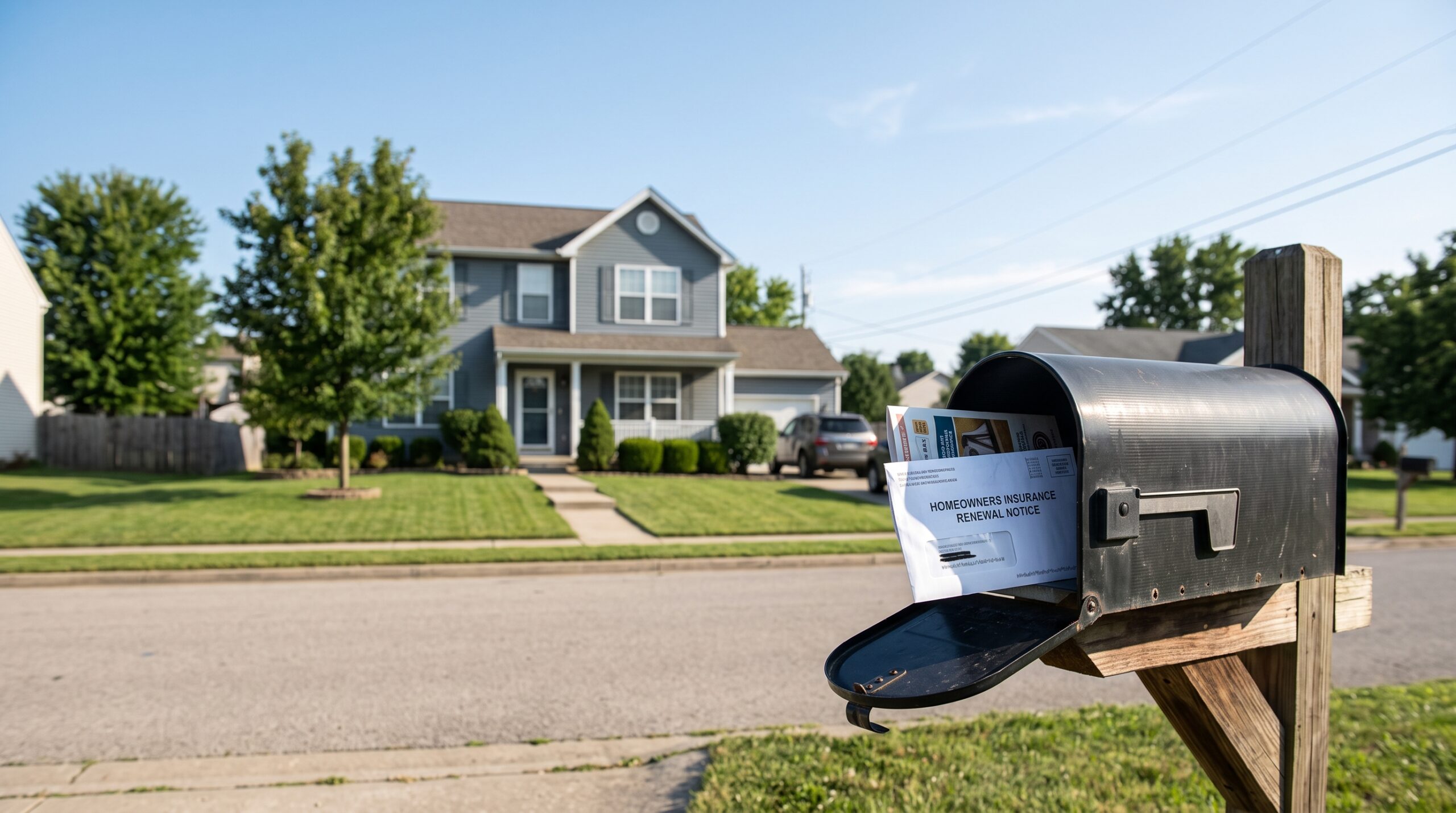
You open the renewal notice and the premium is higher again. For the third or fourth year in a row the number climbs, and the explanation feels vague. Across the United States homeowners insurance has reached record levels in 2026, yet the pace of those increases is finally easing. Understanding why costs rose so sharply, where the slowdown is real, and what you can still control helps you protect both your house and your budget.
Where Premiums Stand in 2026
The average single-family homeowner with a mortgage paid about $209 a month for property insurance in the second quarter of 2026. That works out to roughly $2,500 a year and marks another record. Compared with early 2020 the figure is nearly 80 percent higher. NerdWallet’s broader analysis of typical policies put the national median closer to $2,564 in early 2026.
The good news sits in the rate of change. From the first quarter of 2025 to the first quarter of 2026 premiums rose only 4.6 percent on average. Approved rate increases across the industry slowed to roughly 4.3 percent in the first half of 2026, down from 13.5 percent in 2024 and 7.6 percent in 2025. Some homeowners even saw decreases for the first time in years.
Why Costs Climbed So Fast and Why the Climb Is Easing
Several forces pushed premiums higher for years. Severe weather losses from hurricanes, wildfires, wind and hail drove claims. Rebuilding costs rose with inflation in materials and labor. Reinsurance prices spiked, and insurers passed those costs along. Many carriers also raised coverage limits to keep pace with higher reconstruction values.
The slowdown reflects better underwriting results, more disciplined risk selection, and a softening reinsurance market. Insurers posted their first underwriting profit on the homeowners line in six years in 2025, and early 2026 numbers look stronger still. Competition is slowly returning in some states, which puts downward pressure on future filings.
Regional Differences Remain Stark
National averages hide big local gaps. Florida, parts of the Midwest, and certain coastal or wildfire-prone areas still carry the highest premiums. Wind and hail losses have hit Midwestern states especially hard over the multi-year period. California continues to see meaningful increases in many filings. Meanwhile a growing list of states recorded flat or declining average premiums in recent data, including places that had previously absorbed large hikes.
If you live in a high-risk ZIP code the slowdown may feel distant. In lower-risk areas the relief is more noticeable. Checking recent rate filings and shopping the market still matters more than watching the national headline.
What Is Actually Driving Your Renewal Increase
Even when the filed rate change is small, your individual premium can rise. Coverage limits often increase automatically through inflation guards. Roof age, claims history, credit-based insurance scores, and new underwriting tiers can move a policy into a higher-priced category. Percentage deductibles for wind or hail, actual-cash-value roof settlements, and stricter replacement-cost requirements also affect the final number.
Hypothetical case: a homeowner in a moderate-risk suburb saw a 12 percent renewal jump even though the carrier’s statewide average filing was under 3 percent. The difference came from an automatic dwelling-limit increase and a new roof-age surcharge. Once those factors were clear, shopping produced a lower quote from another insurer that weighed the same risk differently.
Practical Steps That Still Lower Costs
Shop every renewal period, especially if your premium jumped more than a few percent. Independent agents and online comparison tools make it easier to see multiple options at once. Raise deductibles if you can comfortably cover a larger out-of-pocket amount. Ask about discounts for newer roofs, impact-resistant materials, monitored alarms, or water-leak sensors.
Review coverage limits carefully. Under-insuring creates risk at claim time; over-insuring wastes money. Bundle home and auto when the math works. Improve the property itself—clear brush, reinforce the roof, update electrical or plumbing—if those upgrades unlock better rates or broader availability.
Document everything. Keep records of improvements, maintenance, and any prior claims. When an insurer non-renews or sharply raises rates, having clear information speeds the search for replacement coverage.
Looking Ahead and Staying Prepared
Most forecasts point to continued moderation in rate increases through the rest of 2026, provided catastrophe losses stay manageable. That does not mean premiums will fall everywhere. High-risk regions will keep seeing pressure, and individual factors will still drive large swings for some households.
Treat insurance as an annual decision rather than a set-it-and-forget-it product. Compare quotes, question unexplained increases, and keep the property well maintained. The market is no longer in free-fall rate-hike mode, yet the absolute cost remains high. Homeowners who stay active still have leverage.
Record premiums are real. The slowdown in growth is also real. Use the breathing room to shop, adjust coverage, and reduce risk where you can. A few deliberate steps this renewal cycle can keep more money in your pocket while maintaining the protection your home needs.
FAQ
What is the average homeowners insurance cost in the US in 2026?
Recent data puts the typical annual premium in the $2,500–$2,600 range for many standard policies, or about $209 a month for mortgaged single-family homes. Actual costs vary widely by location, home value, and risk factors.
Why did my premium go up if rate increases are slowing nationally?
Individual increases often come from higher coverage limits, roof age, claims history, credit factors, or new underwriting tiers rather than the carrier’s average filed rate change alone.
Which states still have the highest homeowners insurance rates?
Florida, parts of the Midwest, and certain high-catastrophe states continue to rank among the most expensive. Exact rankings shift with new loss data and filings.
Can shopping around actually save money right now?
Yes. Competition is returning in many markets. Homeowners who switch or re-shop at renewal frequently find lower premiums or better terms, especially when the current carrier has applied non-rate adjustments.
What can I do to keep future increases smaller?
Maintain the property, consider higher deductibles, install risk-reduction features that insurers recognize, keep claims low, and compare quotes every year. Review coverage limits so you are neither under- nor over-insured.
Leave a Reply