
You have spent months or years watching private carriers pull back. Non-renewal notices arrived. New quotes became scarce. The FAIR Plan grew into the default option for hundreds of thousands of households. In September 2026 two of the largest names in the market took visible steps in the opposite direction.
State Farm General filed updated underwriting guidelines that would allow it to consider new homeowners applications again for the first time since 2023. Allstate submitted its own plan to reopen limited new business after pausing in late 2022. Both moves remain subject to regulatory review. Neither company is broadly accepting applications yet. Still, the filings mark the clearest signal in years that major carriers see a path back into the California market.
The question is whether these steps represent the start of a genuine recovery or simply the first cautious tests of a still-fragile environment.
What State Farm Actually Proposed
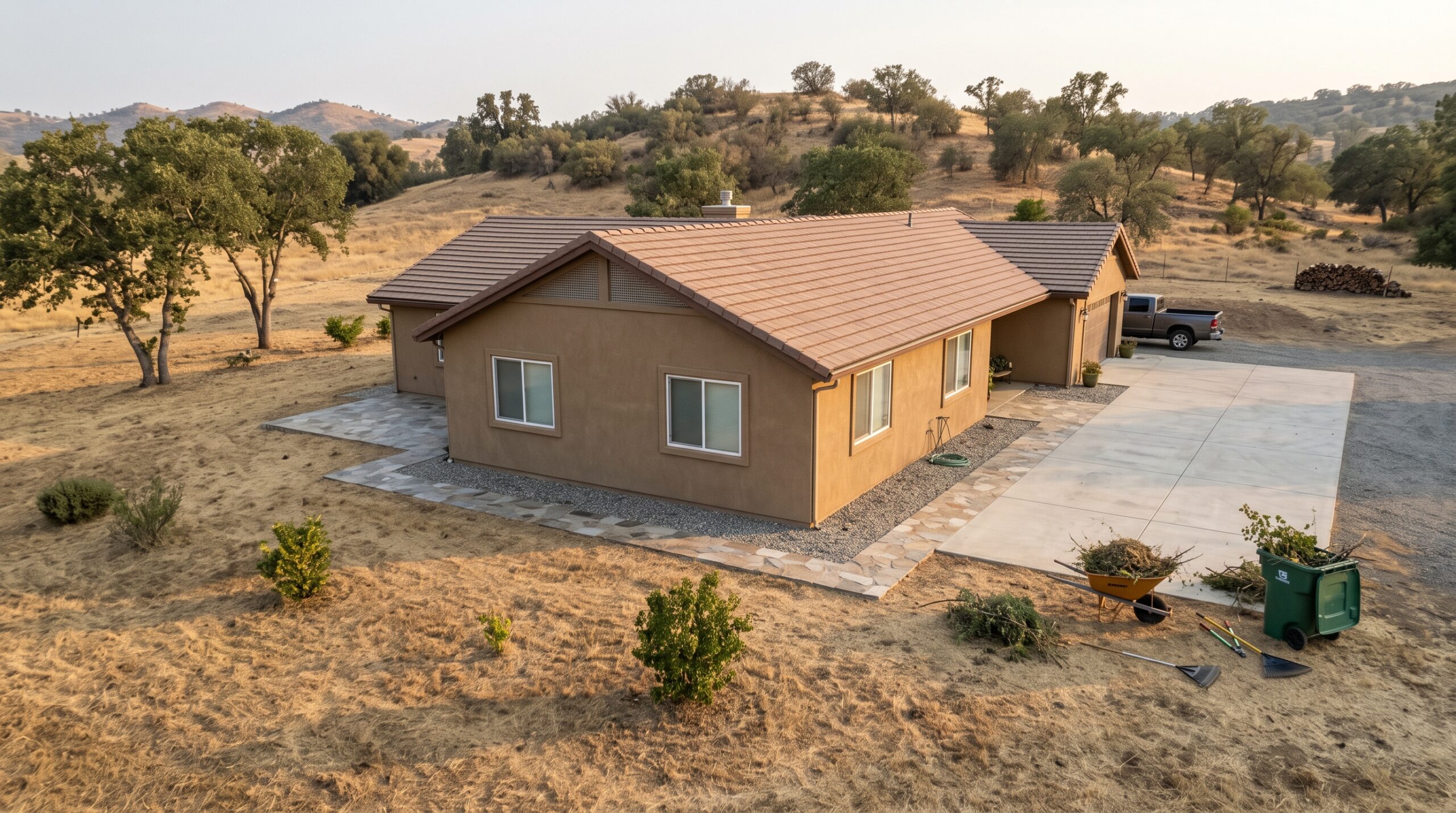
State Farm’s filing centers on wildfire-prepared homes. The company would consider applications from properties that meet Insurance Institute for Business & Home Safety Wildfire Prepared Home standards. Homes achieving the higher “Enhanced” designation could be eligible statewide, provided they also satisfy ordinary underwriting criteria. Homes meeting the more basic “Essential” standard would be considered primarily in lower- and moderate-wildfire-severity zones.
A designation makes a property eligible for review. It does not guarantee a policy. State Farm has indicated a possible December 2026 start date if regulators approve the guidelines. Reports also point to a meaningful but limited annual volume, far below the scale needed to transform availability across the state.
The approach is deliberate. By tying new writings to verified hardening, the carrier reduces its exposure while creating an incentive for homeowners to invest in mitigation.
Allstate’s Parallel Move
Allstate filed under the state’s Sustainable Insurance Strategy framework. The company linked a modest overall rate request to a commitment to write a minimum number of new policies in areas designated as distressed. If approved, the obligation would require Allstate to expand its California homeowners book by a small percentage over the next few years.
The structure reflects the regulatory bargain that has emerged: carriers gain more flexibility on pricing and modeling in exchange for measurable new-business commitments in places where coverage has been hardest to find. Like State Farm’s plan, the volumes discussed are modest relative to the overall market shortfall.
Why These Filings Matter Even If Volumes Stay Limited
For three years the dominant story was retreat. When the two largest writers of California homeowners insurance signal a willingness to accept new applications again, the narrative shifts. Other carriers watch closely. Agents regain a conversation they had largely lost. Homeowners who have completed serious hardening work suddenly have a potential private-market option that did not exist months earlier.
Insurance Commissioner Ricardo Lara described the filings as a clear signal that options for Californians are increasing. Consumer advocates have been more cautious, noting that the absolute numbers remain small and that broad availability is still a long way off. Both perspectives contain truth. A limited reopening is better than continued closure. It is not yet a restored market.
The Conditions That Made Limited Returns Possible
Regulatory changes over the past two years opened the door. Carriers gained greater ability to use forward-looking catastrophe models and to reflect reinsurance costs in rates. Those tools matter. Without them, the math of writing new wildfire-exposed business remained difficult even after earlier rate increases.
At the same time, the FAIR Plan’s rapid growth created political and financial pressure for private capacity to return. A residual market that absorbs too much risk eventually stresses the entire system. Limited reopenings by major carriers help relieve that pressure, provided the new policies are written on terms the companies can sustain.
What Homeowners Should Do Right Now
If your home already meets or can be brought up to IBHS Wildfire Prepared standards, document the work thoroughly. Certification is becoming a practical underwriting credential. Keep records of roof type, vent protection, defensible space, and any noncombustible upgrades.
Do not cancel existing coverage, including FAIR Plan policies, until a new private policy is fully bound. Gaps create their own problems with lenders and future underwriting.
Continue shopping. Even if State Farm and Allstate reopen only in limited fashion, other carriers that never fully exited or that returned earlier may still offer options in your area. The competitive dynamic is slowly improving, but it remains uneven by ZIP code and by risk profile.
A Cautious Recovery, Not a Full Reset

These filings are encouraging. They demonstrate that major carriers see conditions improving enough to test new business again. They also underscore how constrained the recovery remains. Eligibility hinges on specific hardening standards or on regulatory commitments tied to modest volume targets. Most homeowners will not see an immediate flood of new offers.
True recovery will show up in broader private-market capacity, a gradual decline in FAIR Plan concentration, and more consistent recognition of mitigation across multiple carriers. The September 2026 filings are an early data point on that longer path. They are worth watching. They are not yet a declaration that the crisis has ended.
For now the practical stance is measured optimism paired with continued diligence. Harden what you can. Document everything. Shop at every renewal. And treat every new private-market option as progress rather than a finished solution.
FAQ
1. Are State Farm and Allstate currently writing new home policies in California?
Not yet on a broad basis. Both companies filed plans in 2026 that would allow limited new business if approved. State Farm has pointed to a possible December 2026 start for qualifying homes.
2. What homes would State Farm consider?
Primarily those meeting IBHS Wildfire Prepared Home standards. The higher Enhanced designation could open eligibility statewide. The Essential designation would be more limited to lower- and moderate-risk areas.
3. How many new policies are involved?
Volumes are expected to be modest. Allstate’s commitment is in the low thousands over several years. State Farm’s capacity is also described as limited relative to overall market need.
4. Does this mean the FAIR Plan will shrink quickly?
Not immediately. Limited reopenings help at the margin, but the FAIR Plan remains large. Meaningful reduction will require broader private capacity and sustained mitigation progress.
5. What should homeowners do while waiting for approvals?
Continue maintaining or improving wildfire preparedness, keep thorough documentation, avoid coverage gaps, and obtain quotes from any carriers currently willing to write in your area.
Leave a Reply